By Teesta Bhola-Shah
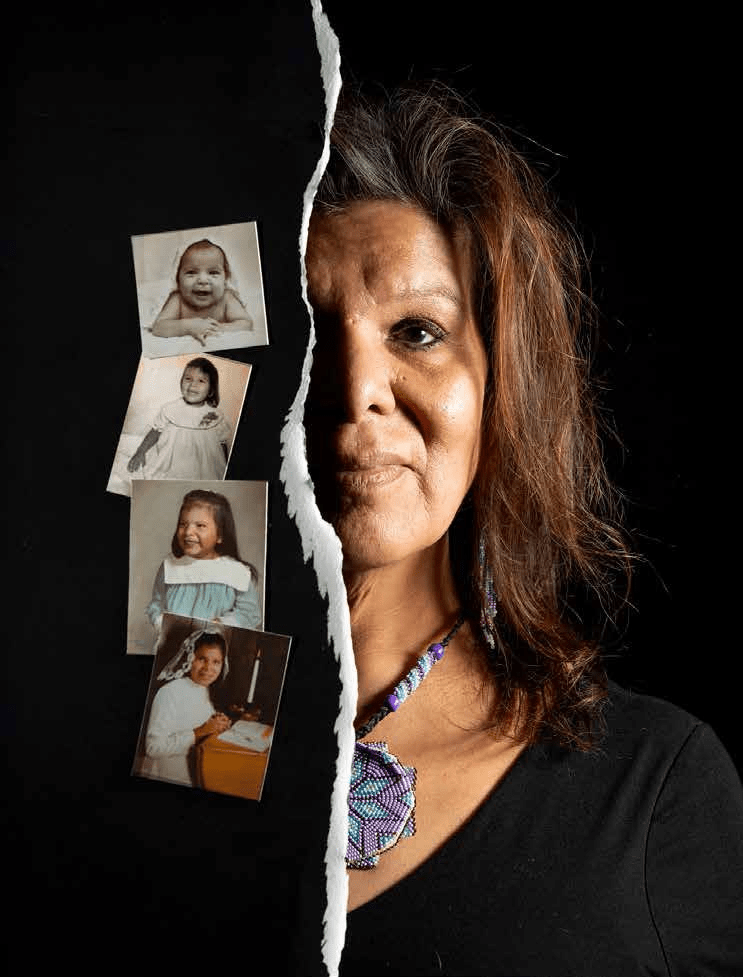
Image credits: Lakota Times
When we think of adoption, we usually imagine something positive—kids finding loving homes and families opening their hearts. But for Native American communities, the history of adoption is far more complicated. For a long time, Native children were taken from their families and placed into white homes, not because they weren’t loved or cared for, but because the government wanted to erase their culture.
It’s something I never learned about in school, and I think that’s a big part of the problem. This is something that still affects Native families today, not just a sad story from the past. And it’s time more people understood what really happened.
The Beginning: Boarding Schools and “Civilizing” Native Children
Even before official adoption programs existed, Native children were being taken from their homes. Starting in the 1800s, the U.S. government and Christian missionaries created boarding schools for Native kids. These schools claimed to “educate” and “civilize” them—but what they really did was strip away their languages, cultures, and identities.
At these schools, kids were punished for speaking their Native language or practicing their traditions. Many were abused or never saw their families again. It was all part of a plan to force Native people to assimilate, and become more like White Americans. Adoption would later become another tool for this same goal.
The Indian Adoption Project
In the late 1950s, things got even worse. The U.S. government launched something called the Indian Adoption Project, which encouraged white families to adopt Native children. It lasted for almost a decade and was supposed to be about giving children “better lives,” but the truth is, many of these kids didn’t need saving. They were taken simply because their families were poor or lived in ways that white social workers didn’t understand.
By the 1970s, about one in every three Native American children had been removed from their families. Most were adopted or placed in foster homes with white families. Imagine growing up never knowing your culture, your real name, or your tribal identity—and not finding out until you’re an adult that your entire childhood was based on a lie.
Misunderstanding Native Families
One of the biggest problems was that the people making decisions didn’t understand Native traditions. In many tribes, extended family members—like aunts, uncles, and grandparents—help raise children. But social workers saw that as unstable or “unfit,” even though it wasn’t. Children were taken away for reasons that had nothing to do with abuse or neglect.
And once these children were placed in white homes, they were often discouraged and forbidden from learning about where they came from. It wasn’t just a loss of family, it was a loss of culture, language, and belonging.
Fighting Back
Eventually, Native communities had enough. Tribal leaders, especially Native women, started speaking out and organizing. They collected stories and data, showing how widespread the problem was. Their hard work led to the creation of the Indian Child Welfare Act (ICWA) in 1978, which gave tribes more control over adoption and foster care decisions involving Native children.
(If you want to learn more about ICWA, I actually wrote a separate post about it.)
But the truth is, no law can undo all the damage that’s been done.
The Lasting Impact
Even today, there are adults who were adopted during that time and are still trying to reconnect with their birth families and tribes. Some never got the chance. Others say they’ve always felt like something was missing, even if they grew up in loving homes.
And while ICWA was a step in the right direction, there are still legal battles today over whether Native families get to decide what happens to their children. Some people don’t understand why it matters so much—but if your whole culture had been under attack for generations, wouldn’t you want to protect your kids and traditions too?
Why This Matters
This isn’t just “history.” It’s a story about how powerful systems tried to erase an entire group of people by going after their children. And it’s a reminder that adoption, while it can be beautiful, can also be used in harmful ways when it’s not done with care, respect, and understanding.
Native families aren’t broken. They were broken apart—by policies and people who didn’t care to understand them.
Learning about this has made me think a lot more about what it means to protect culture, family, and identity. It also makes me realize how important it is to listen to Native voices and support their fight for their kids, their communities, and their future.

One response to “History of Native American Adoption”
A great read.
LikeLiked by 1 person