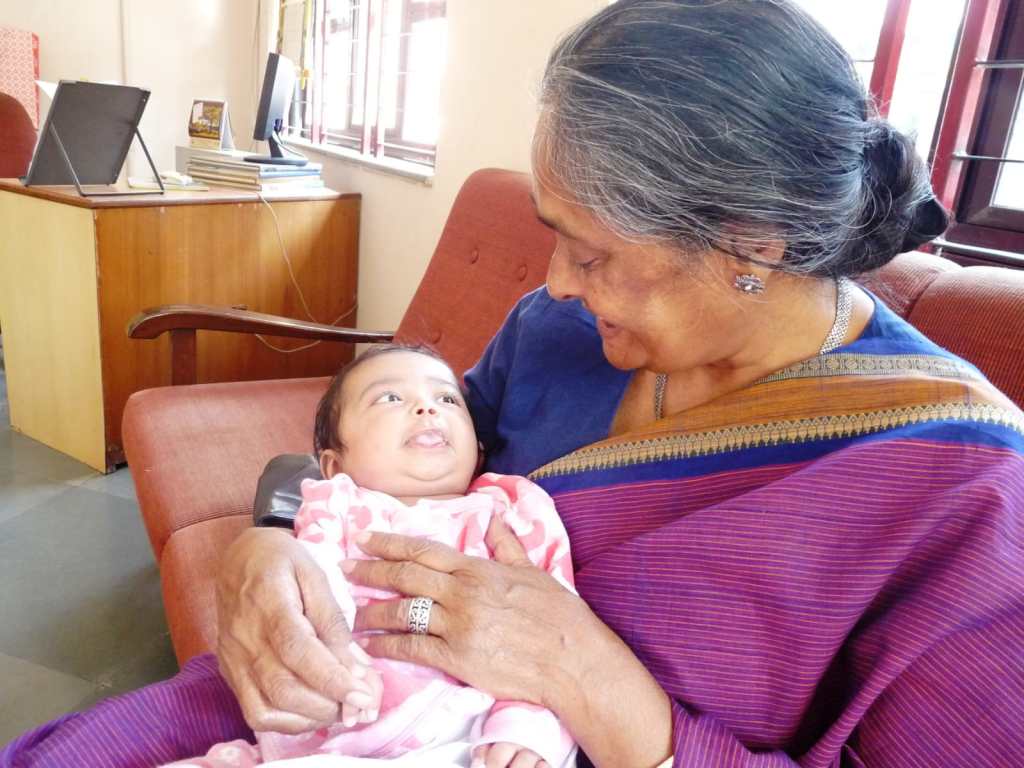
By Teesta Bhola-Shah
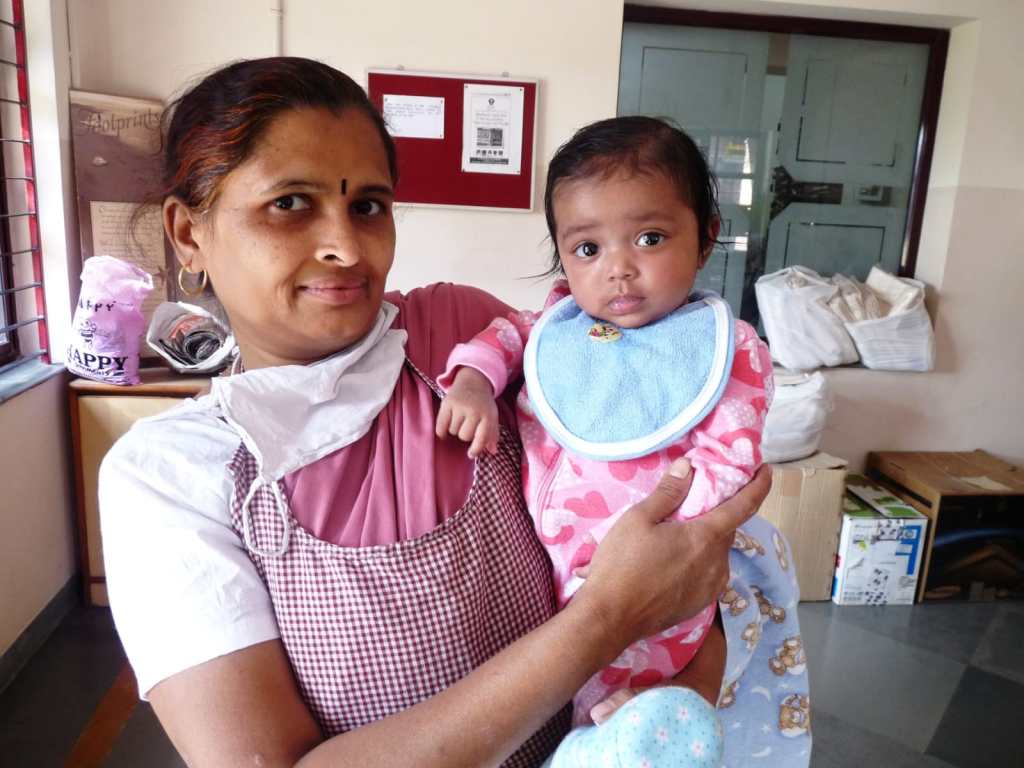
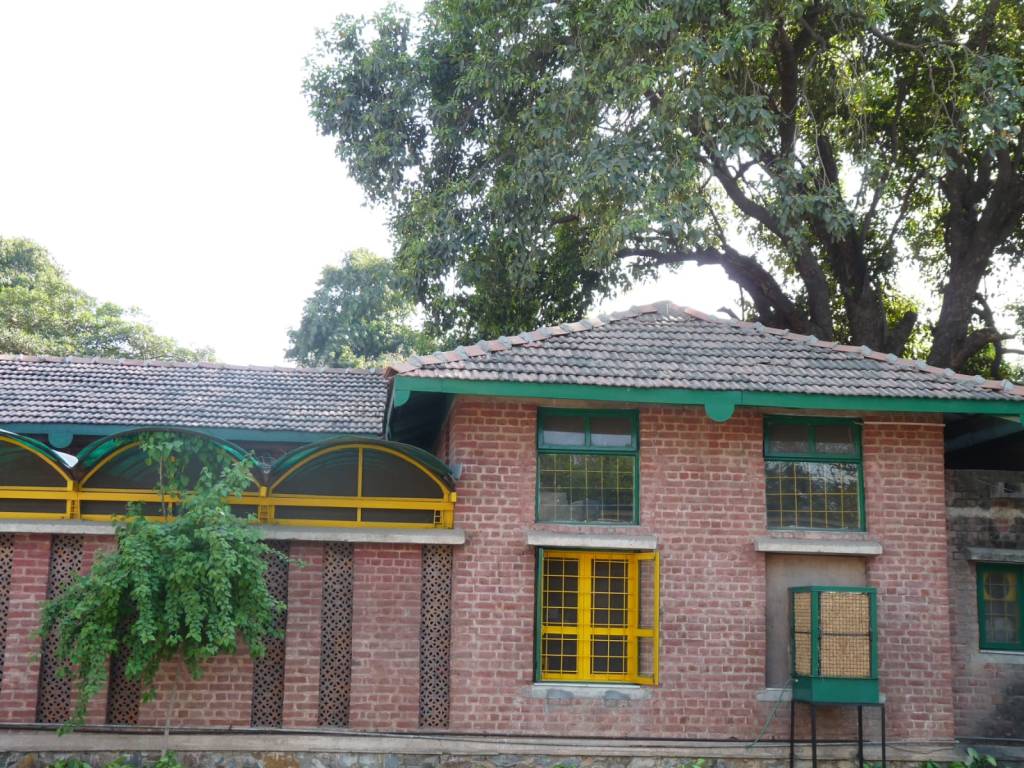
Long before Ria Patel became a mother, she spent her weekends surrounded by the soft hum of lullabies, the cries of babies, and the quiet sound of hope echoing through the hallways of Palna, a children’s home in Delhi.
“I used to work there,” Patel said. She worked with the Paul Hamlyn Foundation supporting Palna to build their neonatal ward. “I helped make sure the babies were fed, changed, and rocked to sleep. I saw so many children come and go, all waiting for families.”
At Palna, there’s a simple woven cradle by the front gate. It’s a small, cane basket connected to an alarm that rings when someone places a baby inside. That cradle is how many children first arrive. “These children are not relinquished, they’re abandoned,” Patel explained. “Their parents leave them quietly, usually at night, and no one ever comes back.”

After seeing this process so many times when she was younger, Patel was determined to adopt a child from Palna. She imagined she would one day come back to Palna not as a worker, but as an adoptive mother. “I told the director once, just in passing, that one day I’d get my baby from here,” she remembered. “She told me not to say that lightly, that adoption is a serious, mutual relationship, not an act of charity.” Those words stayed with Ria for years.
The Long Wait
When Patel finally decided she was ready to adopt, she already knew what kind of love it required. “I knew it wasn’t going to be instant or easy,” she said. “You don’t just pick a child and walk away. You wait. And you wait some more.”
At the time, adoptions in India were handled by state-level agencies. Patel applied through the Karnataka state council, not realizing that midway through her process, the government would completely overhaul the system. “Later, the law changed,” she said. “They found there were underhand dealings, children being placed without full records, so they centralized everything.”
That new system, run by the Central Adoption Resource Authority (CARA), made things more transparent, but also slower. “You can’t even know which agency your papers go to until your name comes up,” she said. “So you just sit there and hope.”
Ria waited for years. She watched friends and coworkers have children, go through milestones, and start new chapters. But she held onto faith that her own story would begin eventually.
Then one day, the call came—from Palna.
“It Felt Like Destiny”
When Patel heard that her adoption file had been matched with a baby girl from Palna, she couldn’t believe it. “The same place where I’d worked to make sure these babies were taken care of, I was now going to bring my own home from,” she said.
The first time she saw Zahra, Patel said, something shifted. “There’s no dramatic moment, no music playing,” she said. “You just know. I knew she was mine.”
Bringing Zahra home was joyful, but it also came with challenges. Since many of the children at Palna are found abandoned, there are no medical histories or family records. “When she fell sick as a child, certain things would come up at the doctors,” Patel said. “And I had to tell them that I didn’t know these things.”
Those small moments of uncertainty reminded her of the complexity behind every adoption. It’s a mix of love, loss, and learning to be better. “You have to be honest about where your child comes from,” she said. “But you also have to show them that it doesn’t define them.”
Growing Up with Pride
From the time Zahra was little, Patel made sure her story was something to be proud of. “I told her from the start that she came from Palna,” she said. “I didn’t want her to grow up and find out later. It was always just part of who she was.”
When Zahra was in elementary school, she had a class project called “Where I Come From.” Together, they created a bright, beautiful poster about Palna, filled with color and smiles. “I painted this rosy picture,” Patel said. “So she thought she was superior, like she came from somewhere special.”
Zahra grew up strong, confident, and sure of herself. Now sixteen, she plays for the women’s football team at Bangalore Football Club. Ria’s voice fills with pride when she talks about her. “She’s everything I hoped for,” she said.
A New Way of Seeing Family
Looking back, Patel sees her time at Palna as her preparation for motherhood, more than just a work opportunity. “When I worked there, I thought I was helping,” she said. “But in reality, those babies taught me something about patience, and about love that doesn’t expect anything back.”
Now, as a mother, she’s learned that love is not about blood or resemblance. “Love isn’t genetic,” she said. “You can fail to connect with your biological child, too. What matters is how you show up for them, every day.”
Ria Patel’s journey from caretaker to mother is a reminder that family doesn’t always start the traditional way. Sometimes, it begins with a cradle by a gate in Delhi, a long wait, and a quiet moment when two lives finally find each other.
“Adoption isn’t about saving someone,” Patel said. “It’s about finding your person, the one who was meant to be yours all along.”

2 responses to “Palna’s Cradle: Ria Patel’s Adoption Story”
Your blog covers so many aspects with sensitivity. Thank you.
LikeLiked by 1 person
This brought tears to my eyes. Such a well-written article with the emotions and love expressed so well.
LikeLike