By Teesta Bhola-Shah
When it comes to adoption, every family’s story starts from the same place: love. But the way that story unfolds can look very different depending on where you live. We interviewed mother Ria Patel, who adopted her daughter Zara through the Indian adoption system, about her experiences.
Patel described the process as full of challenges, waiting, and moments of pure joy. “Every parent who chooses adoption wants the same thing, a family,” Ria said. “But the road to get there isn’t the same everywhere.”
Patel’s story gives a glimpse into what adoption looks like across two very different worlds: India and America. Both share the same goal of connecting children with families, but the systems, culture, and even the way people talk about adoption can feel worlds apart.
Different Systems: Centralized vs. State-Based
In India, adoption has shifted dramatically in the past two decades. Until the mid-2000s, prospective parents could apply through the state they lived in. “When we applied in 2008, we had to go through the Karnataka state council,” Ria Patel recalled. “But later, the law changed. They found there were underhand dealings — children being placed without full records — so they centralized everything.”
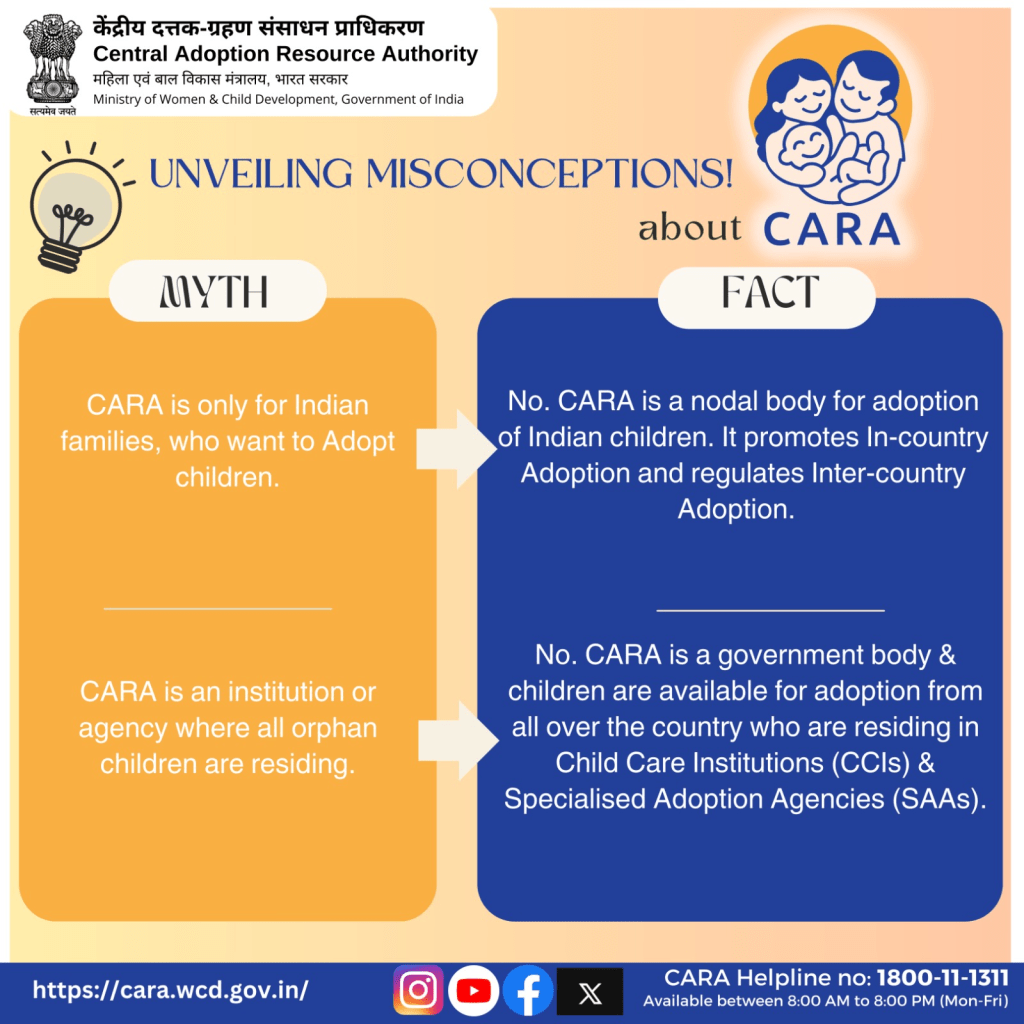
Today, all legal adoptions in India must go through CARA (the Central Adoption Resource Authority), which regulates every step of the process. Families file paperwork online, wait to be matched, and can no longer choose the specific orphanage or region.
In contrast, the United States has a far more varied system. Adoption can occur through public agencies, private organizations, or direct family arrangements. The laws differ by state, but there’s a clear legal path — and detailed background information, including medical and family histories, is almost always required.
Even cultural groups have specific protections. “In the US, adopting Native American children follows special laws,” I explained to Patel during our interview. “Tribes have sovereignty and the right to determine how children are placed.” In India, such ethnic or community-based regulations don’t exist, and most children enter the system anonymously.
Medical Challenges
When Zara falls sick, Patel often finds herself facing the same heartbreaking reminder — she doesn’t have access to her daughter’s genetic or medical background. “Whenever she falls sick, certain things come up at the doctor’s,” she explained. “And it makes me have to tell them that I don’t know these things. These children are not relinquished — they’re abandoned. So we don’t have any medical records.”
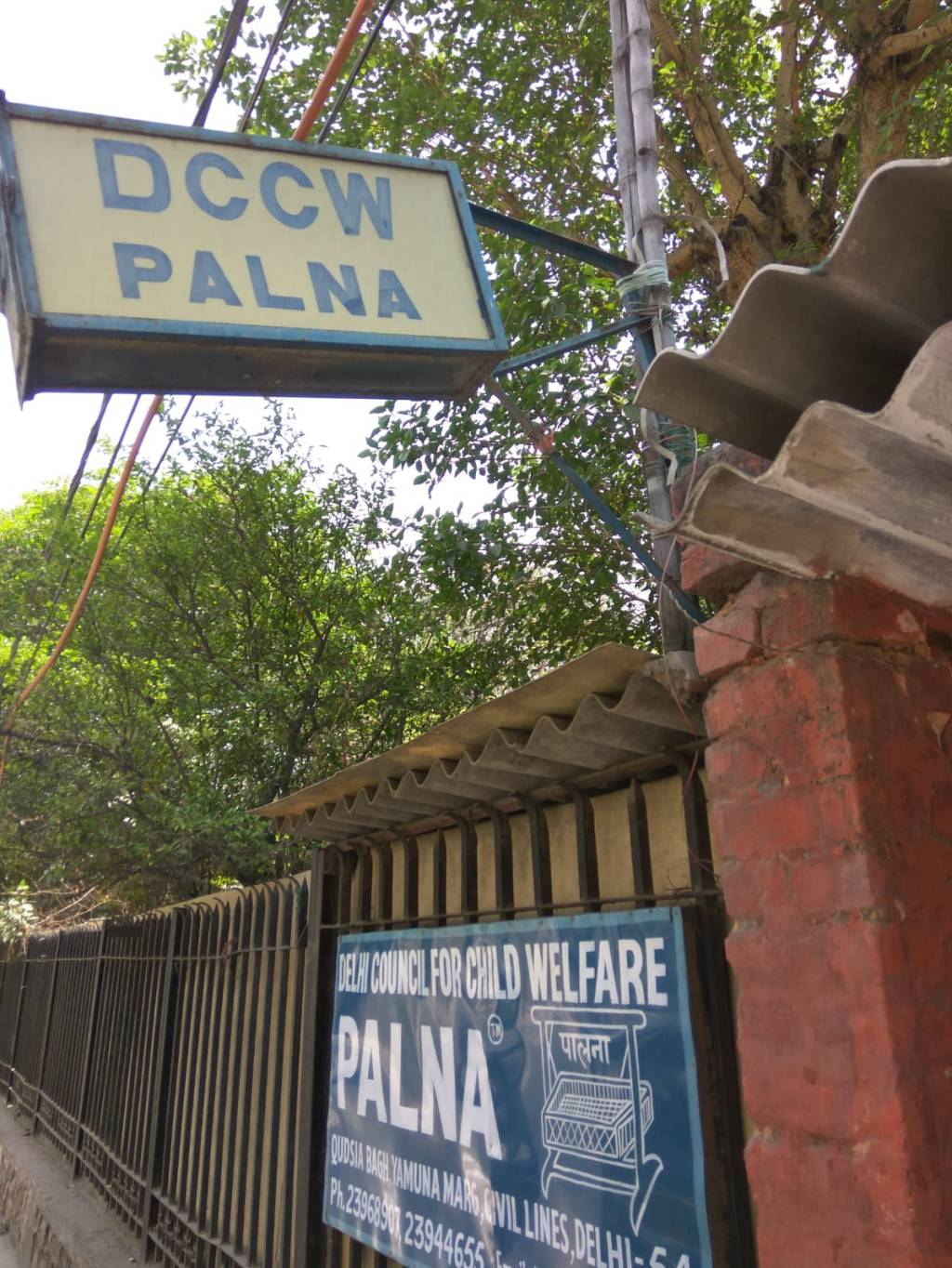
Zara, now sixteen and a talented footballer for the women’s team at Bangalore Football Club, was adopted from Palna, one of India’s best-known orphanages. Her story highlights many of the contrasts between the way adoption works in India and in the United States, the process, and how families talk about their experiences.
From Abandonment to Adoption
One of the starkest differences lies in how children enter the adoption system. In the U.S., most adoptions today are “open,” where biological and adoptive families may exchange information or maintain some contact. In India, adoptions are usually “closed.”
“Children here aren’t left with any papers,” Patel said. “They’re not relinquished, they’re abandoned. So we can’t trace them, we can’t find their medical histories.”
The main difference between the two systems is that the American system emphasizes openness and information, but the Indian process is more protective and bureaucratic. That caution is partly rooted in history. Cases of illegal baby trafficking and coerced “donations” led to tighter central control.
Still, the process can be long and emotionally draining. “You can’t even know which agency your papers go to until your name comes up,” Ria Patel said. “You just wait.”
Yet India’s community-based culture often fills in the gaps. Patel described how relatives sometimes adopt within families, such as an aunt taking a niece or nephew. These private arrangements, while unofficial, remain common and more socially accepted.
Cultural Attitudes and Breaking Stereotypes
Both countries continue to battle misconceptions about adoption. In India, stigma persists. “Two people I worked with said they couldn’t adopt because they feared they wouldn’t love a child that wasn’t theirs,” Patel recalled. “But I told them, you can fail to connect with your biological child too. Love isn’t genetic.”
In America, adoption is more normalized, yet biases about race, health, and identity still exist. The difference lies in how society frames the narrative. American media often highlight adoptive stories as ones of inclusion or “chosen families,” while Indian families still tend to guard them privately.
For Zahra, openness was key. “I told her story from the start,” her mother said. “She grew up knowing she was from Palna. I never wanted it to be a secret.”
When Zara’s school assigned a “Where I Come From” project, her mother helped her frame Palna as a place of pride. “I painted this rosy picture,” she laughed. “So she thought she was superior, that she came from somewhere special.”
Despite the structural differences between India’s centralized system and America’s transparent, varied adoption system, both share a common goal: giving children safe, loving homes.
Adoption, Ria Patel believes, “isn’t about doing good, it’s about forming a family.”
And perhaps that is the truest connection between India and America: behind the forms, laws, and agencies are parents and children learning, together, that family is something you build — not something you’re born into.

One response to “Two Countries, One Goal: How Adoption Differs in India and America”
Your blog is so helpful – sharing clear concise information and dispelling myths and misconceptions. Well-done! Look forward to continue reading more….
LikeLike