By Teesta Bhola-Shah

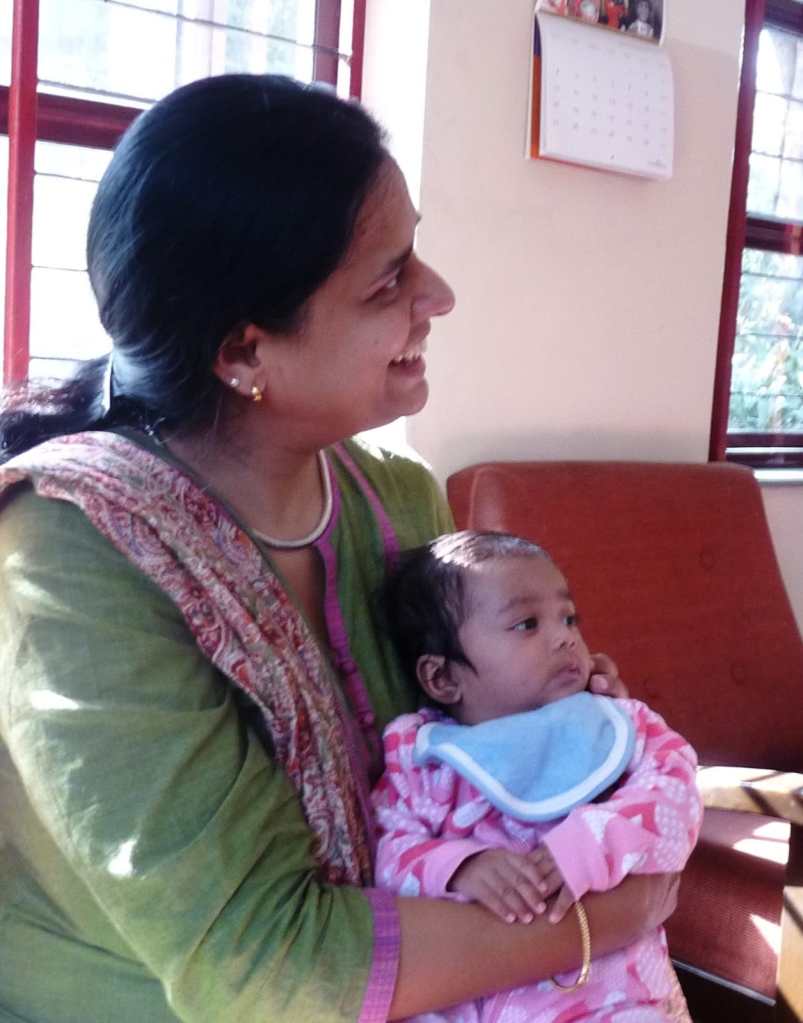
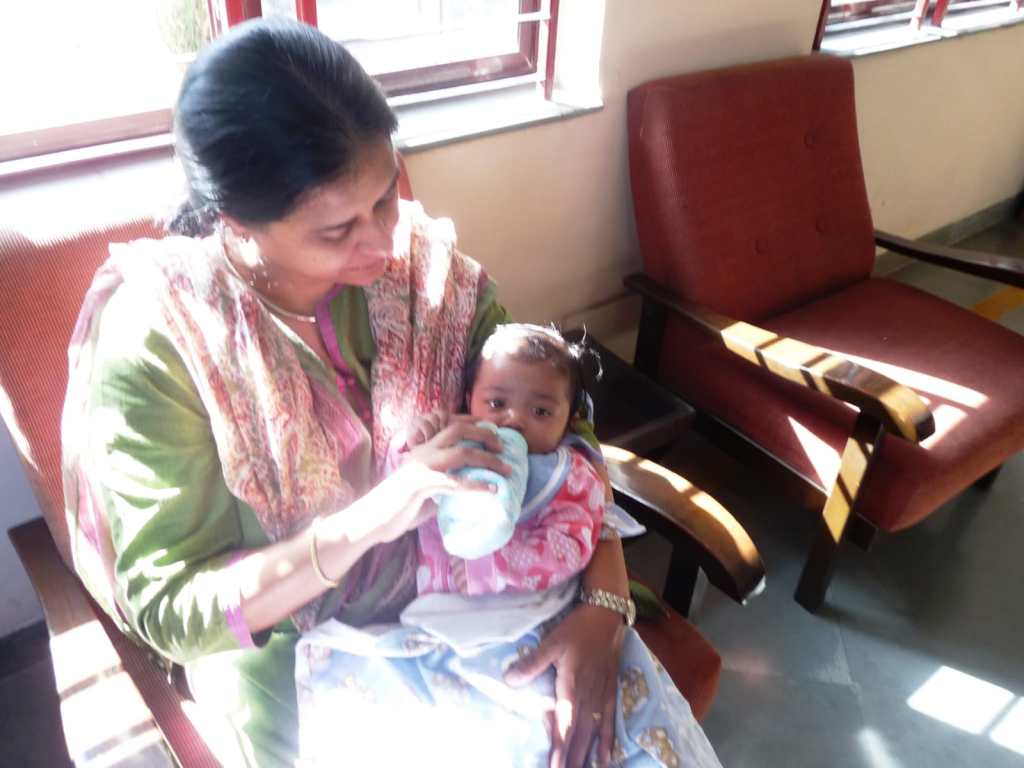
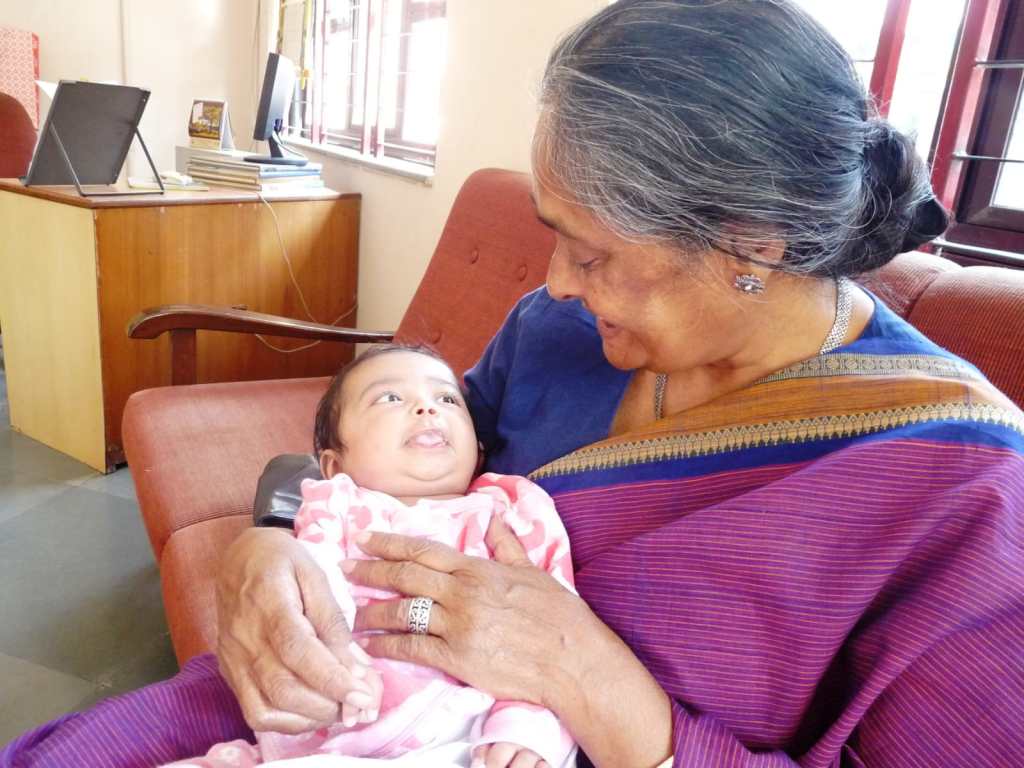
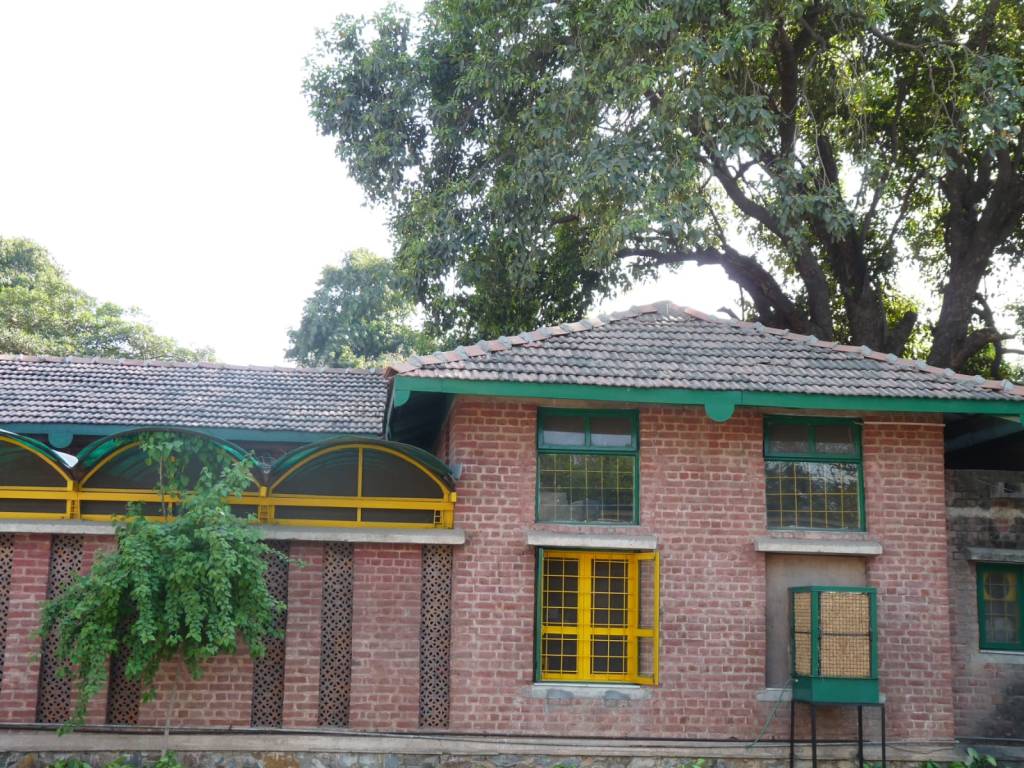
Before adoptive parent Ria Patel ever became a mother, she was already working to help children. Her first job after earning her Master’s degree was with the Paul Hamlyn Foundation, a philanthropic organization in India that funds community and social projects. One of their most meaningful missions, she said, was building a neonatal facility inside an orphanage.
“That project was close to their heart,” Patel said. “It was about giving newborns a real chance to survive.”
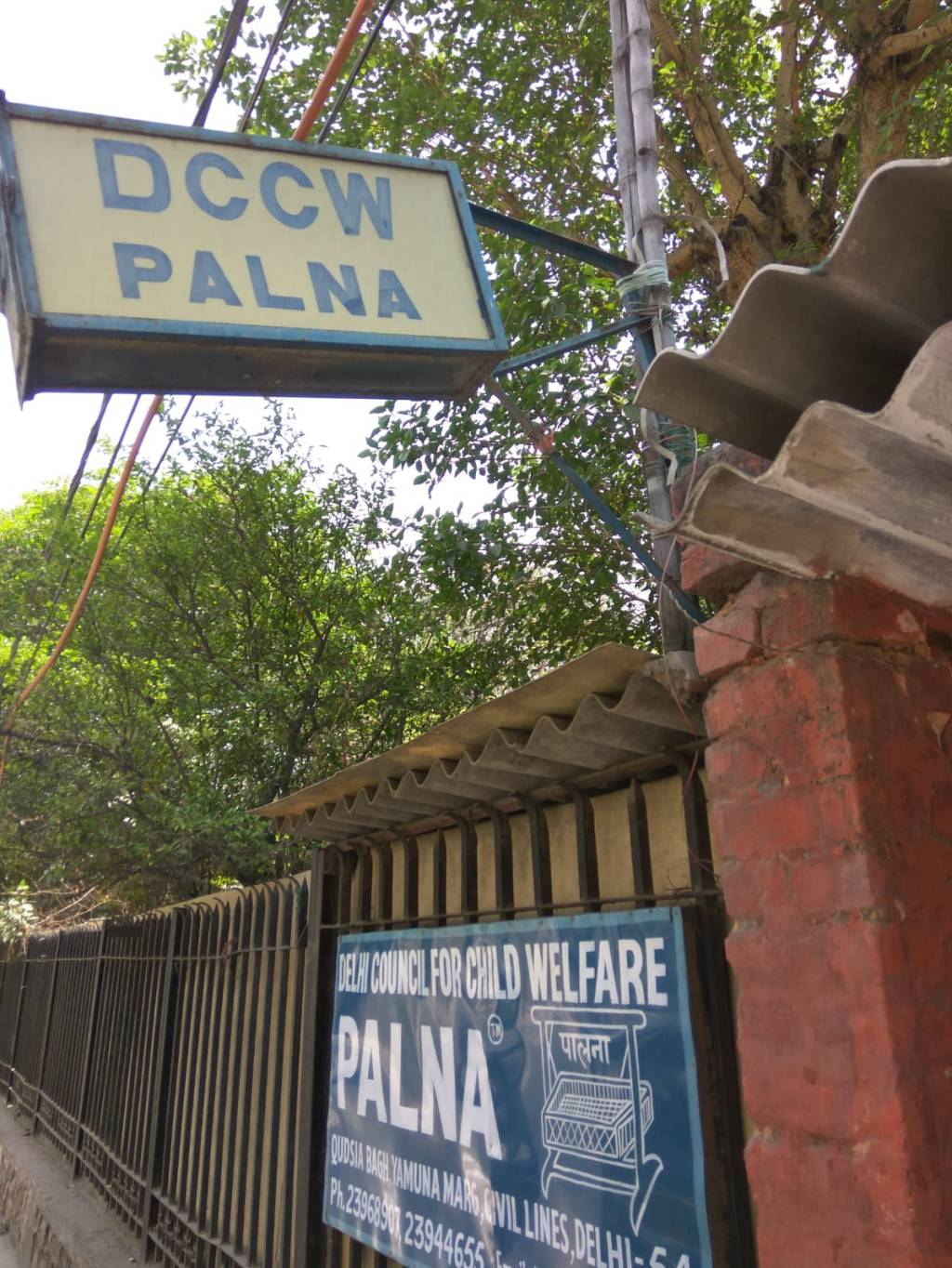
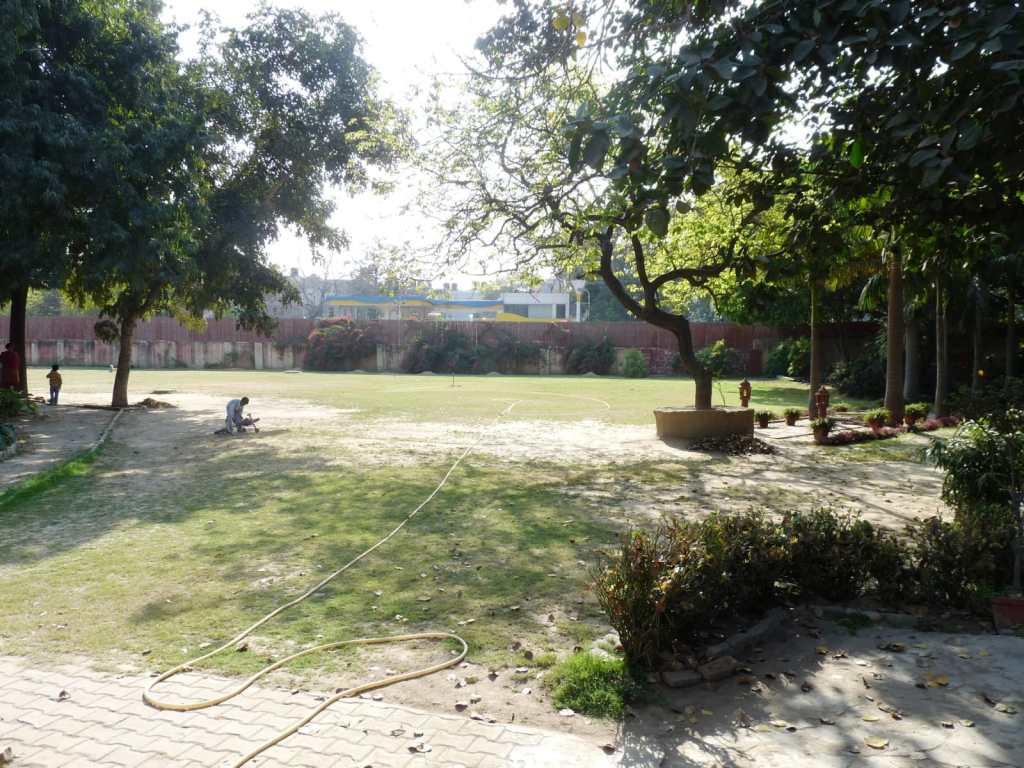
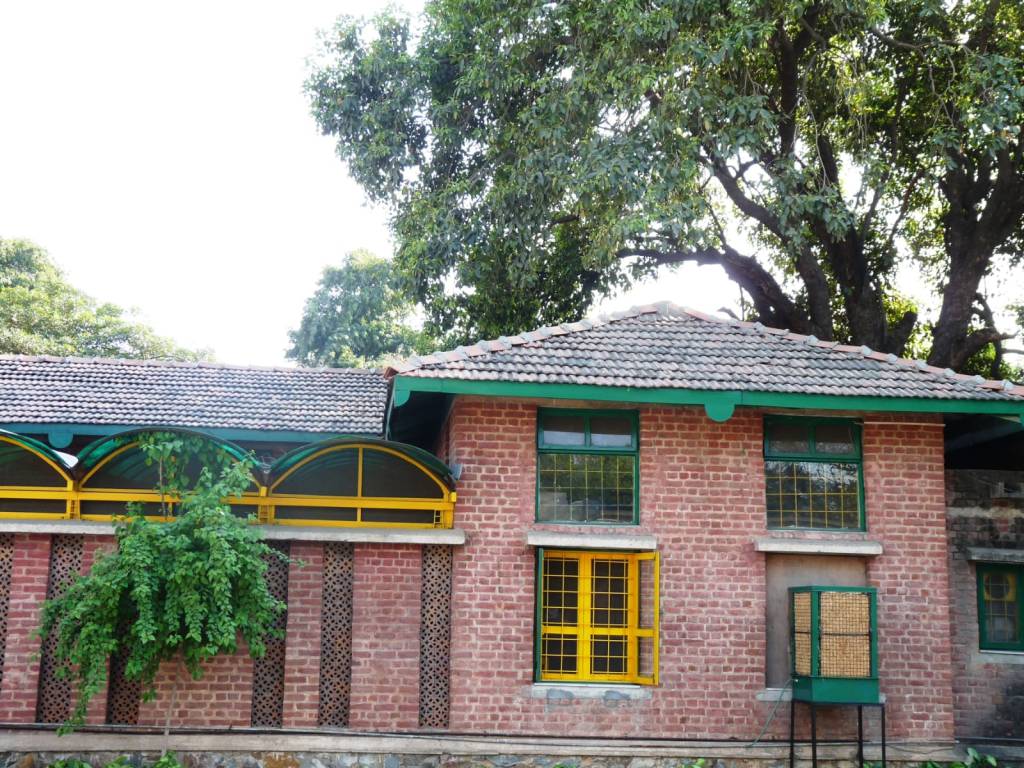
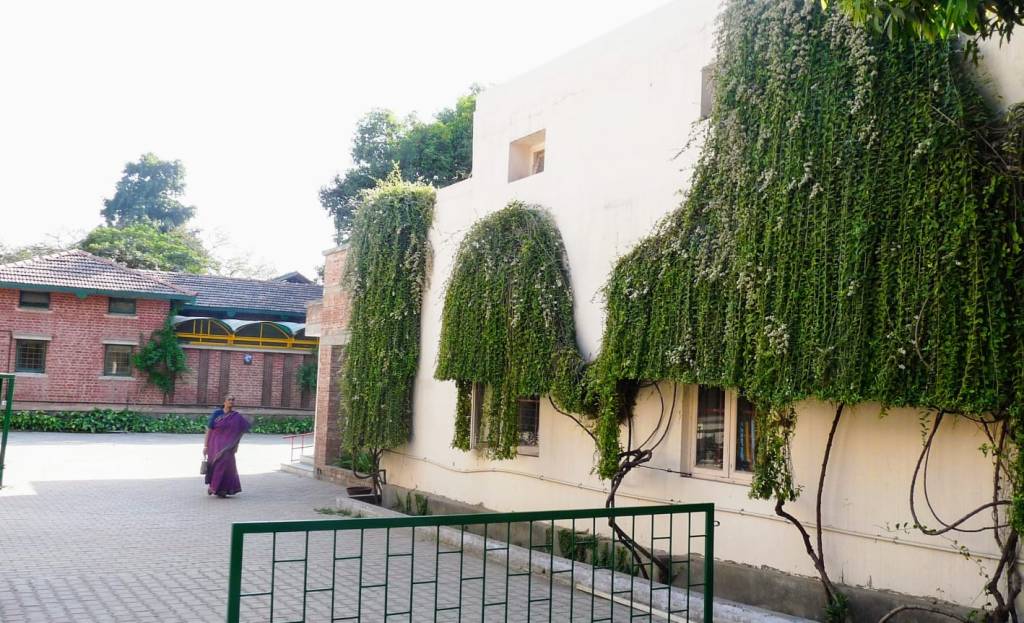
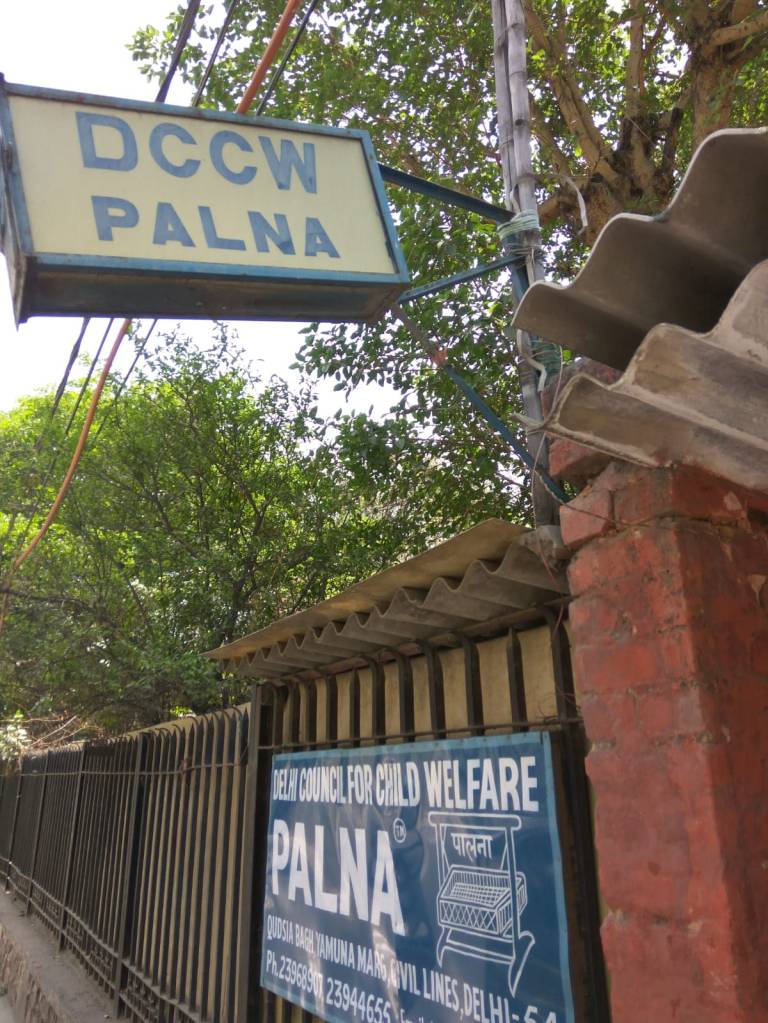
That orphanage was Palna, one of India’s oldest and most respected children’s homes. Palna means “cradle,” and true to its name, the home starts many of its stories with one.
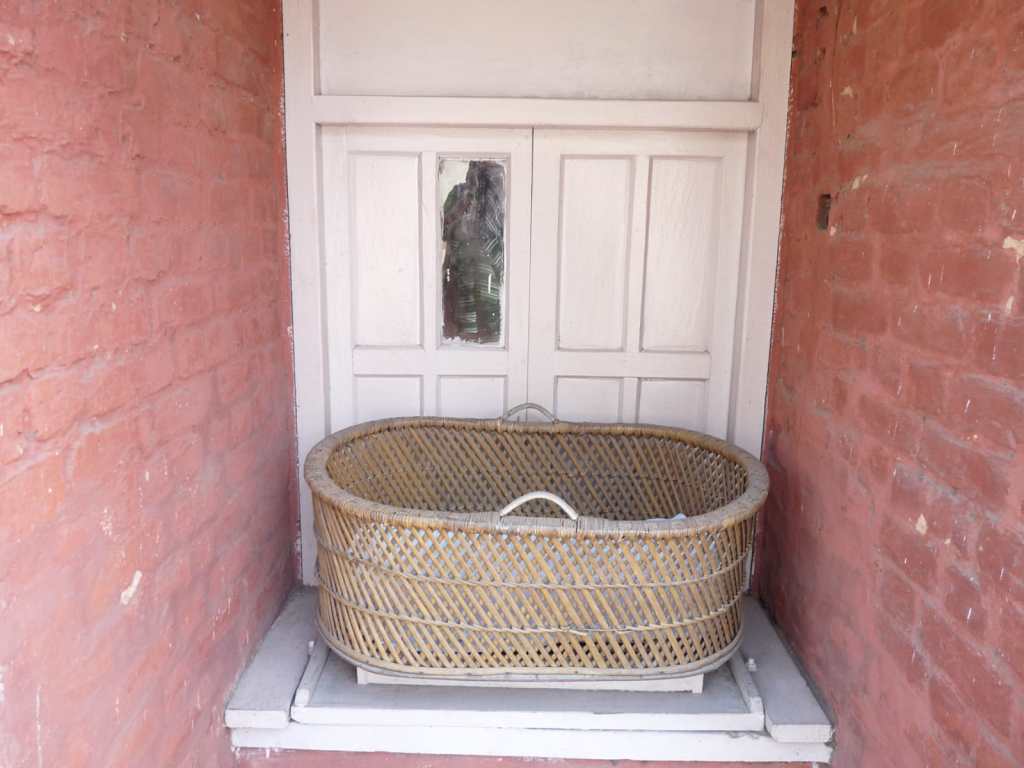
“The cradle outside is kept on a weighing scale,” Patel explained. “When a child is placed inside, it connects to a bell inside the building, which alerts the staff. This allows the anonymous surrender of children.”
That small and simple system is quite powerful, and it’s what makes Palna unique. It provides a safe way for parents in crisis to leave their children without fear of punishment or exposure. But as Patel pointed out, it also has consequences later. “That’s a very large reason why adoptions quite often can’t be traced when necessary,” she said. The anonymity of leaving children allows for the birth parents’ safety but also leads to challenges with the adoptive parents in the future.
The Start of a Story
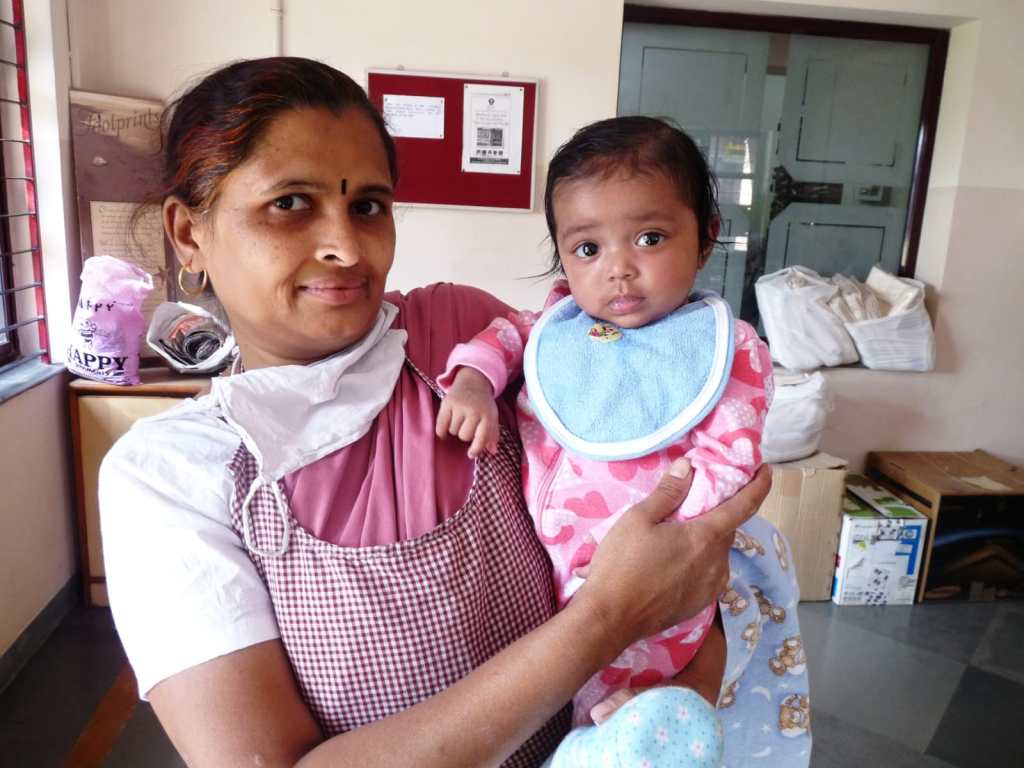
Years after her work with the foundation, Patel found herself back at Palna as a waiting mother. It was March 15, 2010, when she first met Zahra, a six-month-old baby who would soon change her life.
“I met Zahra in New Delhi with my mum, who then lived there,” Patel said. “She was brought to us by one of the orphanage staff into the waiting area, where we held her and played with her for a while.”
For the next three days, Patel was allowed to take Zahra to Palna’s preferred medical facility for health screenings, a standard part of the adoption process. “We wanted to make sure she was healthy enough to travel,” Patel said. “She had suffered pneumonia as a baby, along with several respiratory problems. All of these were connected to her being a pre-term baby.”
Three days later, on March 18, her husband arrived from Bangalore. Together, they brought Zahra back to Patel’s mother’s home in Delhi, where they stayed for two weeks. “Her health was quite poor,” Patel said, but Zahra was soon nursed back to health and is now living a healthy life.
Different Realities
Ria Patel’s experience, both as a volunteer and as a parent, helped her see how adoption in India widely differs from the West. “The social and economic issues here differ vastly,” she explained.
In countries like the United States, adoption often involves voluntary relinquishment, where birth parents sign legal documents to place a child in another family’s care. In India, most children in care have been abandoned, sometimes within days of birth, and found without identifying details.
“The anonymous cradle surrender is both a blessing and a challenge,” Patel said. “It saves lives, but it also means there’s no way to trace a child’s family history later.”
That lack of information can make parenting more complicated, especially when it comes to health. “When she fell sick as a child, certain things would come up at the doctors,” Patel said. “And I had to tell them that I didn’t know these things.”
For Patel, the cradle outside Palna’s gate will always represent both heartbreak and hope, and it’s a symbol of how love is born in new places. “When the bell rings, it means a new baby has arrived,” she said. “And even though you know that child was left behind by someone, you also know their life is just beginning.”
It’s where Zahra’s story began, and where Patel’s idea of motherhood was reborn.
“Palna taught me that love isn’t genetic,” Patel said. “It’s how you show up for someone, even when you don’t know where they came from.”

2 responses to “A Cradle in Delhi: How One Mother Found Her Daughter at Palna”
I loved reading about Ria’s journey of building her family 🙂
LikeLike
Such a wonderfully expressed story!
LikeLike