By Teesta Bhola-Shah
For many families, adoption is presented as a beautiful, uncomplicated story about love. But for my own mother, Devi Bhola, the adoption process revealed something far more uncomfortable: a system deeply shaped by racism, like many things in our society.
During a candid interview about our family’s experience adopting my younger brother, Jay, my mother spoke openly about the realities she encountered—from racial hierarchies within private adoption agencies to the assumptions strangers made about our visibly multiracial family.
“We discovered that, like everything else, there’s a lot of racism in adoption,” she said.
Before adopting Jay, my parents spent nearly two years navigating domestic adoption and foster-to-adopt programs. The process itself was exhaustive: fingerprinting, background checks, home studies, interviews, parenting classes, and endless paperwork.
“You have to do a lot of soul searching,” my mother explained. “You think you’re this wonderful, open, liberal, accepting person. But then you really have to ask yourself hard questions.”
Prospective parents are asked what races, genders, and medical conditions they are willing to accept in a child. Those answers, she learned, often expose deeply ingrained societal prejudice.
“In the adoption world, girls are more coveted than boys,” she said. “If you say you want a healthy white female, you could be waiting years because everybody wants a healthy white female.”
Then came the reality that disturbed her most. “The second-to-last race people want is Black female,” she said. “And the last is Black male. Nobody wants to adopt a Black boy.” According to my mother, agencies told them directly that because they were open to adopting a Black child, especially a Black boy, they would likely be matched almost immediately.
“They said, ‘Wow, you’re willing to adopt a Black boy? You’ll probably have a baby in three months because nobody wants to adopt a Black boy.’”
The statement forced her to confront how race shapes perceptions of children before they are even born. “Across races, females beat males in the adoption world,” she explained. “And Black boys are at the bottom because people assume there are going to be challenges.” Raising a Black boy in America can be challenging for a variety of reasons, such as prejudice socially and in the justice system, which is why many families hesitate before doing so.
My parents entered the adoption process saying they were open to children of all races and genders. “We were definitely expecting to have a Black boy in our family,” she said.
My parents had to do extra parenting workshops because they were willing to adopt a child outside of their race. During the first session, my mother recalls how the social worker from the adoption agency, a Black man in his 50s, questioned how they would handle the difficulties in raising a Black boy in a predominantly white neighborhood as an Indian couple. “I remember giving some naive ‘love is love’ talk and how ‘love would conquer all’ or some such ill-informed spiel,” my mother said. “Now I think back that was so dumb. I remember he almost rolled his eyes and I guess he must have thought, I have my work cut out for me here.” Such nuances related to race may not have been apparent to my parents at the beginning, but they definitely became clearer the farther they got in the process.
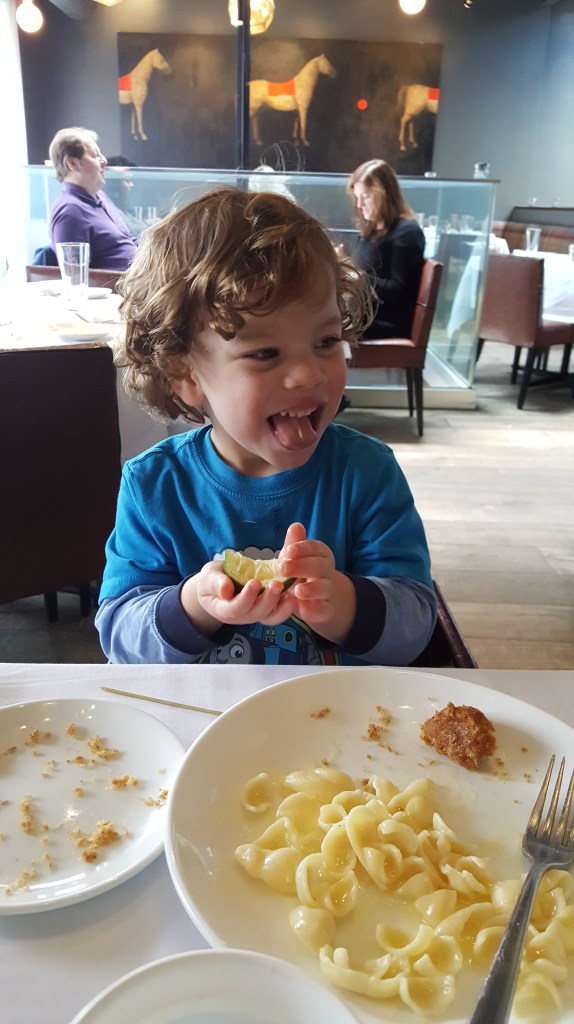
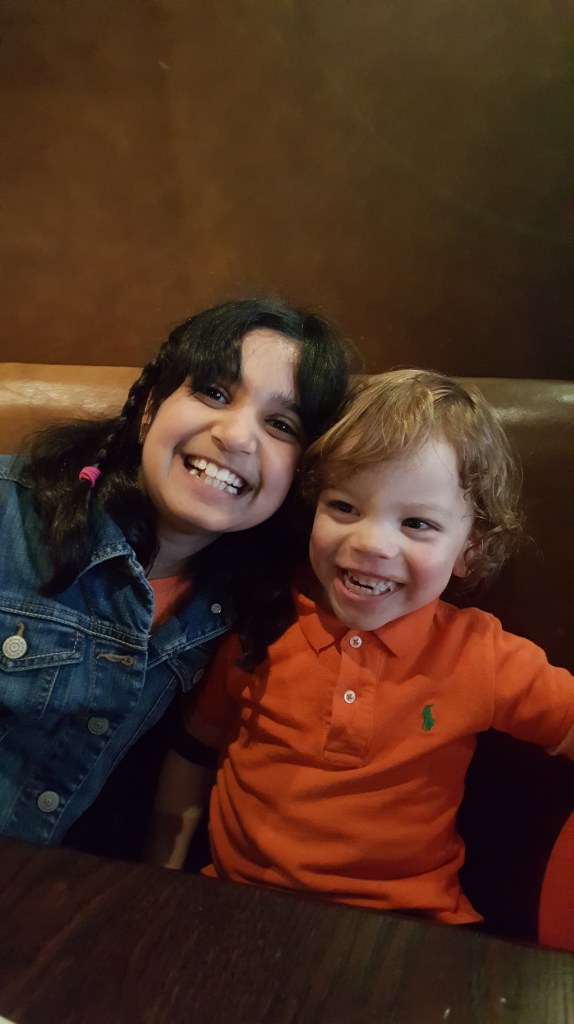
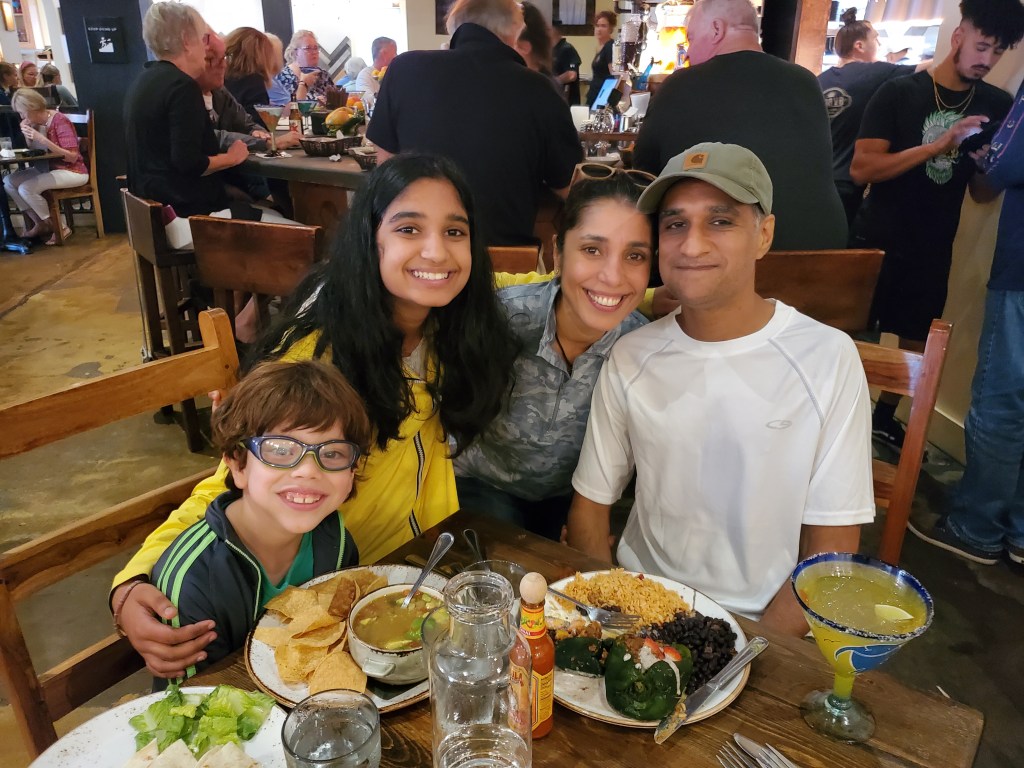
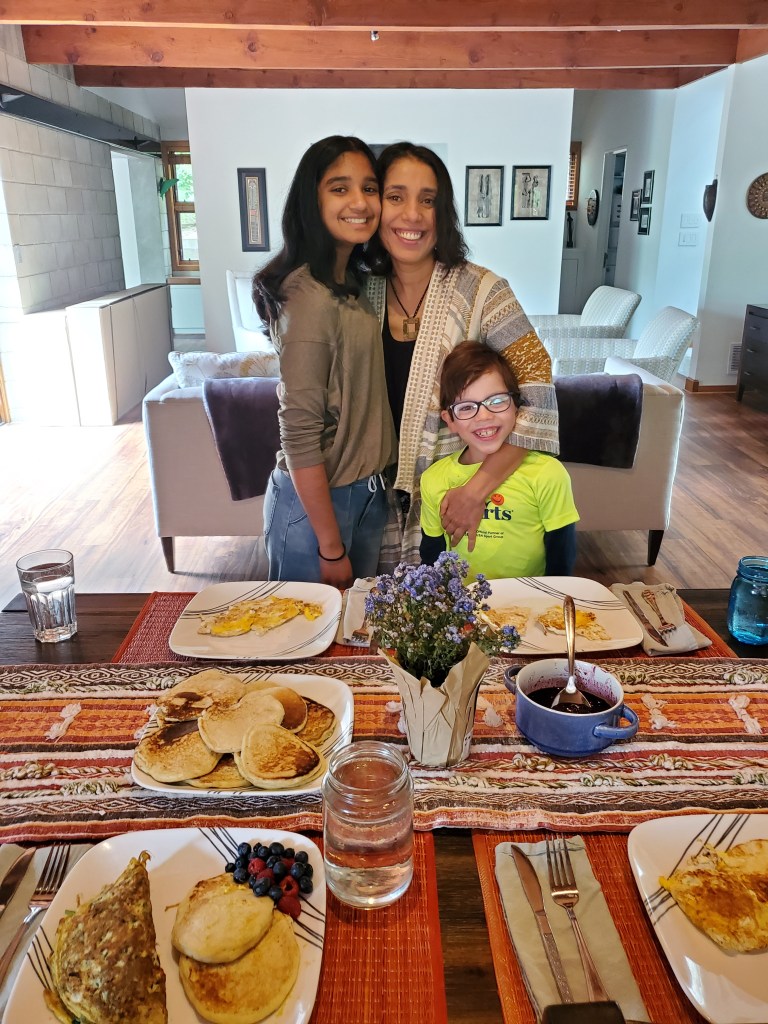
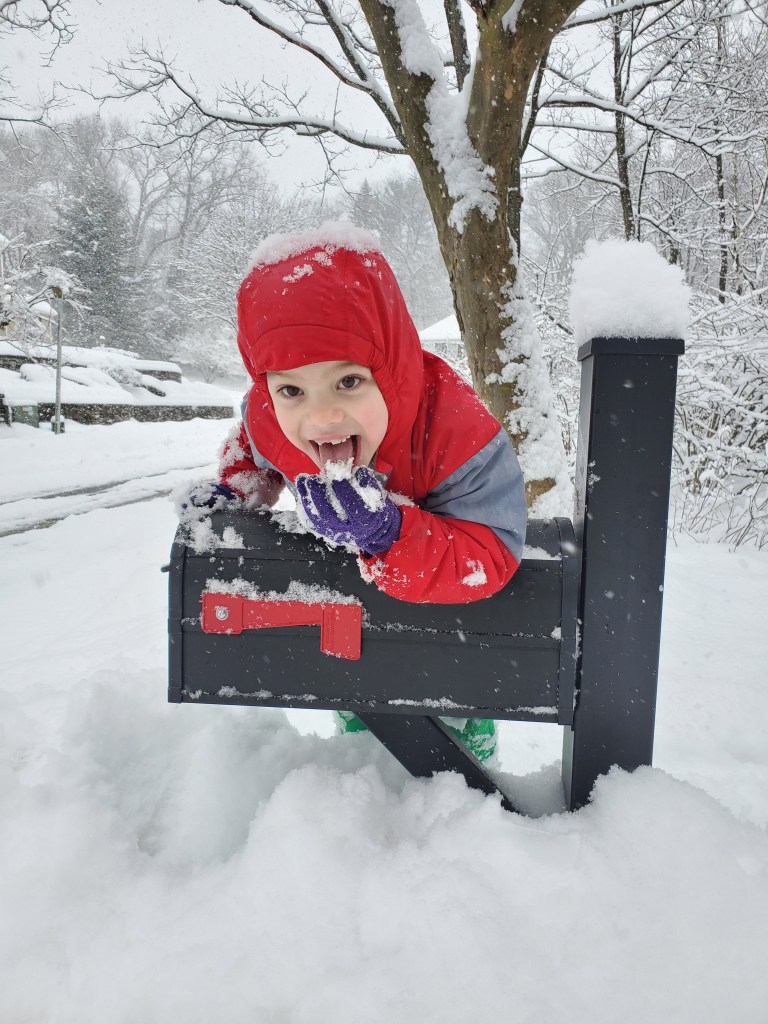
The adoption process revealed another layer of racial complexity: my parents themselves did not fit neatly into the categories the system understood. As an Indian family, they found that some birth mothers and social workers struggled to understand who they were culturally.
“One social worker told us a birth mother thought India was somewhere in the Middle East and assumed we were Arab and Muslim,” my mother recalled. “People understand white. They understand Black. Maybe Hispanic. But an Indian Hindu family adopting a Black child didn’t make sense to some people.”
Although my parents expressed interest in several Black children, including infants born into difficult situations, they were never selected. “We put our names in for two Black girls and one Black boy,” she said. “And we never got picked.”
The rejection was painful. “We were a little like, ‘Why? Aren’t we good enough?’” Social workers later explained that many birth mothers wanted placements that felt culturally familiar or racially understandable to them. “They were kind of like, ‘You’re Indian, Hindu—it’s not making sense to people,’” she said.
At one point, my mother even briefly considered joining a Unitarian church simply so they could appear more familiar to birth families. “I literally had a conversation with my husband where I was like, ‘Should we just be Christian?’” she said. “I was trying to think about how we could make ourselves easier for people to understand.” She didn’t actually consider practicing a religion seriously, but instead wanted to join a “diverse, accepting congregation.”
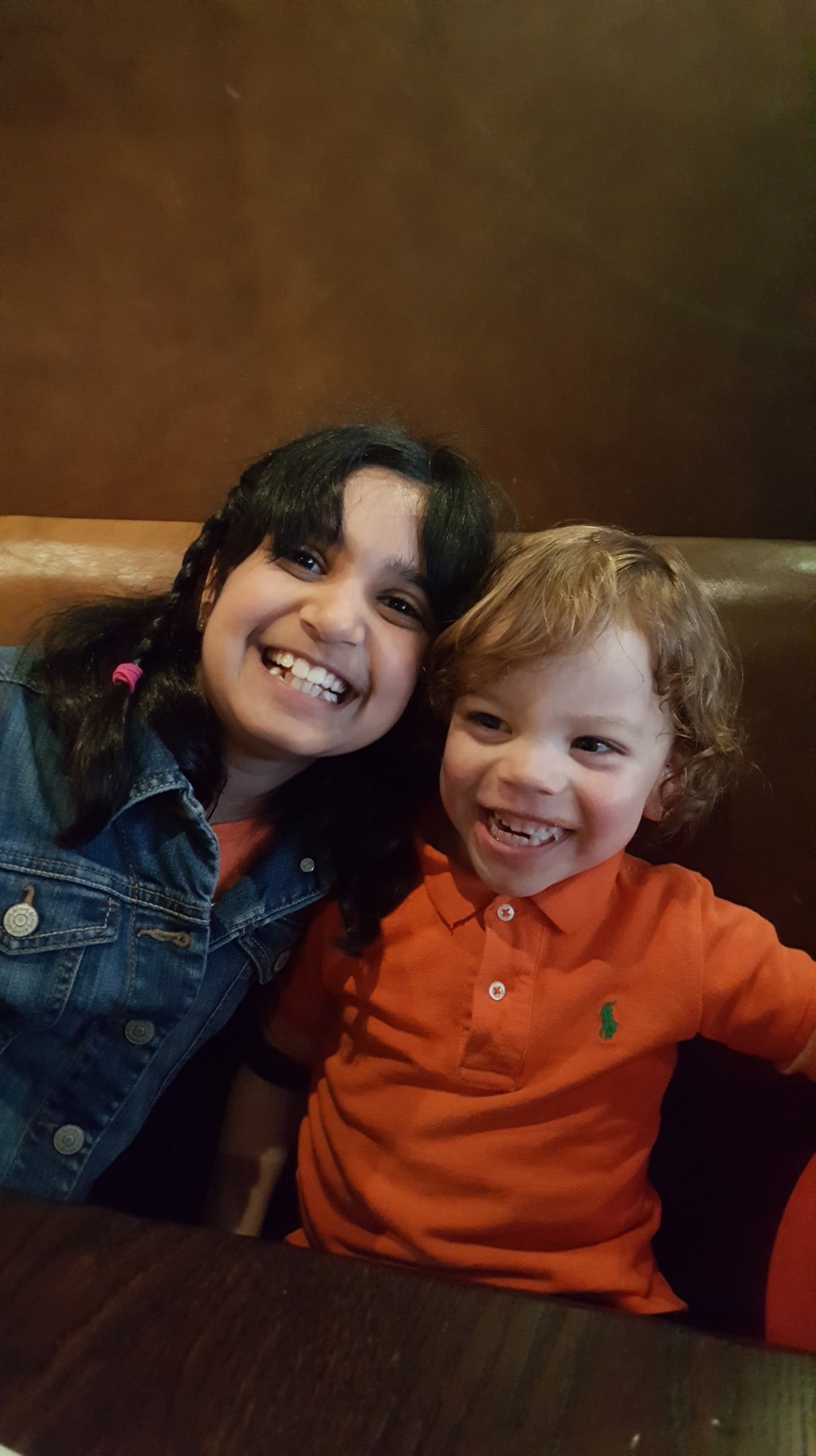
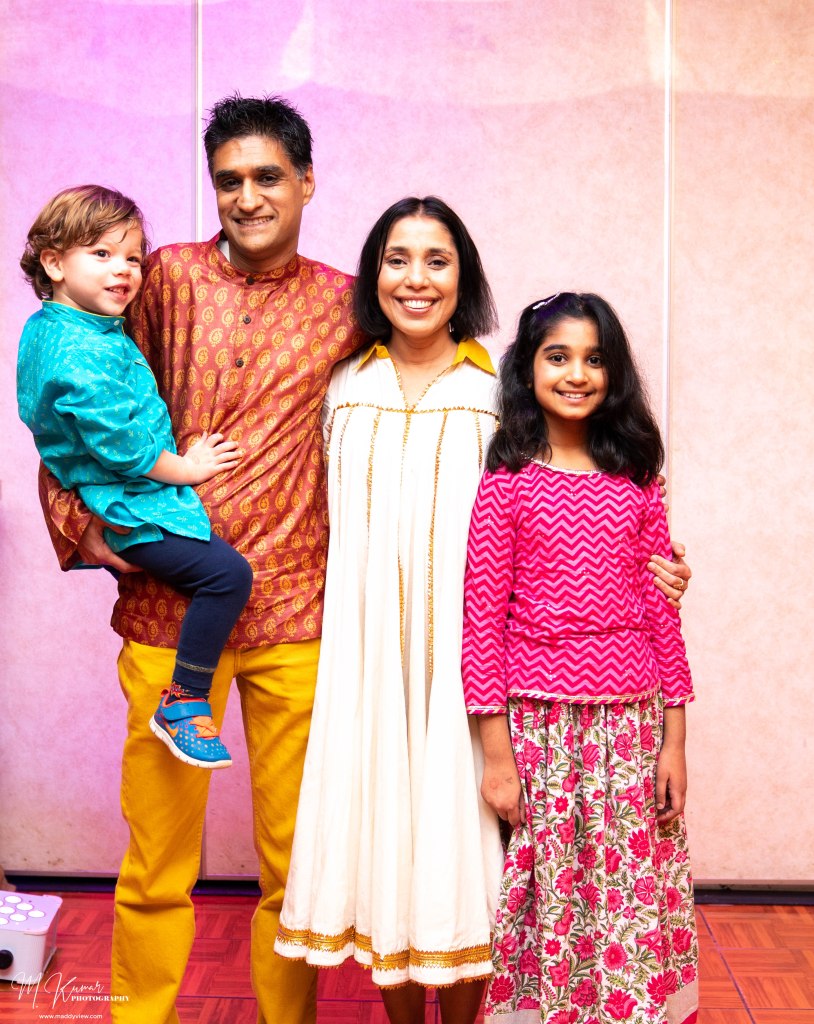
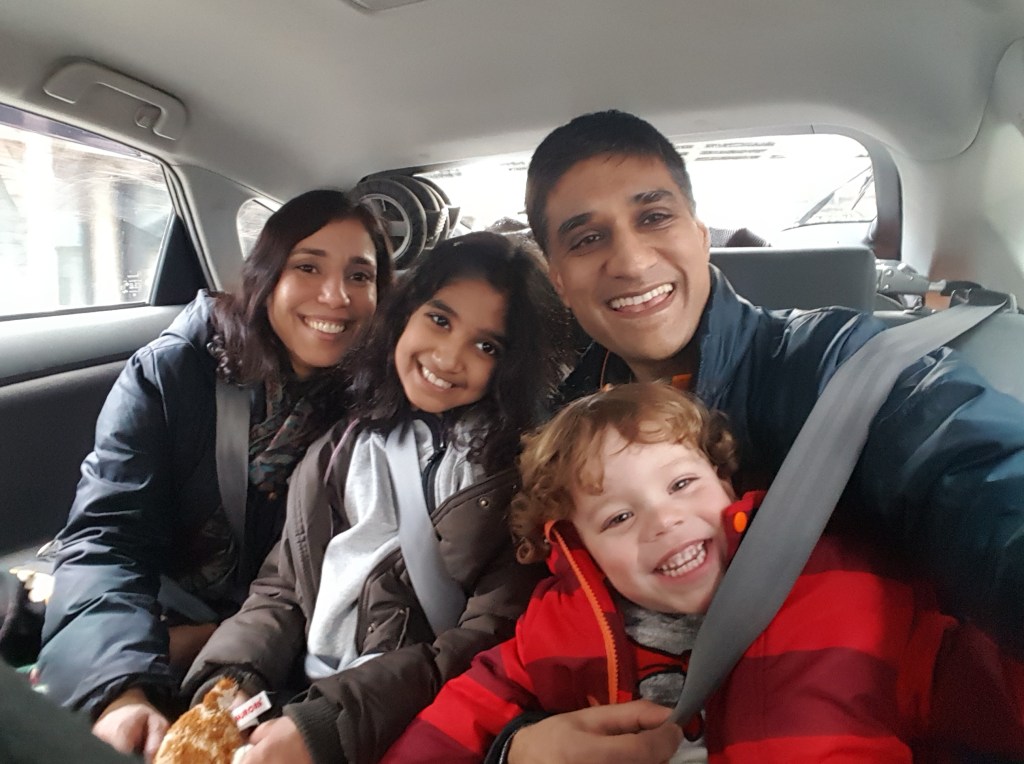
Eventually, my parents were chosen by the birth parents of my younger brother, Jay, who is white and Native American. But bringing him home did not end the racial scrutiny, instead, it introduced a new set of assumptions.
Because my mother is Indian and Jay is white, strangers frequently assumed she was his nanny rather than his mother. “At the YMCA, they didn’t let me enter once because they thought I was the nanny using the family membership,” she said. “I had to explain, ‘No, I’m his mother.’”
People repeatedly offered her nannying jobs after seeing her with Jay. “One woman told me I was so good with him that I should be her nanny,” my mother said. She had taken Jay to the playground and one mother offered to double whatever she made. “And I was like, ‘Oh my God, I would love that. I’m a dentist, so please double what I earn.’”
Rather than calmly correcting people, she often responds with sarcasm and sardonic humor. “I don’t give people easy explanations,” she said. “I let them sit in their discomfort.” She has also told people that she had an affair with a white man and that Jay was the product, which is another story she laughs while telling.
For her, the most painful part was not the confusion itself, but what it revealed about race in America. Even Jay’s Montessori preschool teacher thought that my mother was the nanny the first day she went to pick him up. “That’s how racism works,” she said. “If I were white and he was brown or Black, nobody would think I was the nanny. They’d think, ‘Oh wow, she saved that poor child. What a wonderful, charitable woman, he is so lucky.’ The only reason people assumed I was the nanny was because he’s white.”
She described the constant comments and intrusive curiosity that came with being what adoption communities call a “conspicuous family,” a family where the adopted child is clearly of a different race than their parents.
“You will always get looks. People stare at you. People ask questions,” she said. “A lot of people reacted like we were some kind of novelty because usually it’s the other way around—a white family adopting a brown child.”
One of the comments she heard most often was, “Wow, we’ve never heard of a brown family adopting a white boy before.”
“I’m not a circus freak,” she said bluntly. “I’m not here for people’s entertainment.”
Still, she distinguishes between genuine curiosity and ignorance disguised as fascination. “If people come to me honestly and respectfully, I’ll answer openly,” she explained. “But if they come from this privileged, racialized place, I’ll be more sarcastic.”
Her sharp humor has been a defense mechanism throughout her life, especially when dealing with racist assumptions. She recalled a classmate in dental school once asking whether people in India had cars and how she got to school. “So I told her, ‘Well, it depends – if I was ready on time I rode my elephant to school, and when I was in a rush, I hopped on to my magic carpet,’” my mother laughed. “Eventually she realized how uninformed the question was.”
Despite the racism and exhaustion that accompanied the adoption process, my mother emphasized that the experience also taught her how to talk honestly about race and identity with my brother.
From a young age, they introduced him to adoption through age-appropriate board books and conversations. Because our family is visibly multiracial, they knew questions from others would come early. “We told him families come in different colors, and that’s okay,” she said. What matters is our love for each other, and we are each other’s “forever family.”
When he was young, Jay described our family as “brown, brown, white, and yellow.” Jay insisted that he was the yellow one!
“That was his way of understanding us,” my mother said.
For my mother, the adoption process revealed the biases and stereotypes that continue to shape people’s decisions long before a child ever finds a home. Confronting those realities may be difficult, but it needs more recognition – families are not just defined by race or appearance. These implicit stereotypes affect children and families alike, so uncomfortable conversations about racism in adoption are ones we cannot afford to stop having.
Correction: an earlier version of this article reads “racial prejudice in the school and justice systems” instead of “prejudice socially and in the justice system” and “I’ll cut them down with sarcasm” instead of “I’ll be more sarcastic.”
